What is national safe work month in Australia, and why does it matter for lone & remote workers?
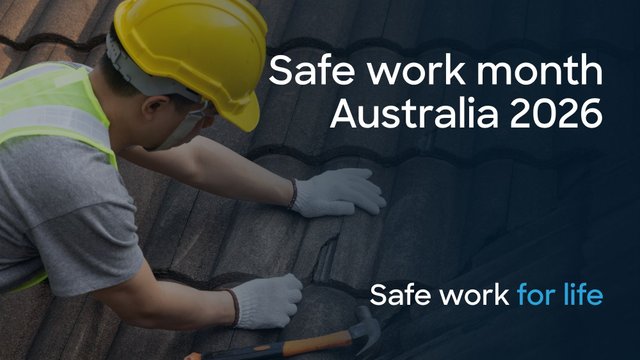

Every October, workplaces across Australia pause to ask a simple question: are our people safe?
It's the question we ask every day at GetHomeSafe, so National Safe Work Month is one we take seriously. This year's theme is "Safe work is for life". Here's what it means, why it matters, and what it looks like for people who spend their working day alone.
Key takeaways
National Safe Work Month is Australia's annual October campaign, run by Safe Work Australia, to promote safe and healthy workplaces.
The 2026 theme is "Safe work is for life".
Lone and remote workers face a particular risk: delayed help when nobody else knows something has gone wrong.
Regular check-ins and quick escalation when a check-in is missed reduce that risk.
What is national safe work month?
National Safe Work Month is a national campaign run by Safe Work Australia each October. It encourages employers and workers to put health and safety at the front of the conversation, not just the paperwork.
The 2026 theme reminds us that work health and safety isn't only about getting through the shift. It's about protecting people's health and future long after they've clocked off. Each week has its own focus.
What are the 2026 weekly themes?
Week | Dates | Focus |
1 | 1-11 October | for life: why WHS matters |
2 | 12-18 October | for health: what WHS protects |
3 | 19-25 October | for the future: the long-term impact |
4 | 26-31 October | for all: action across all workplaces |
Why does safe work month matter?
The numbers are hard to ignore. According to Safe Work Australia's Key Work Health and Safety Statistics 2025, there were around 146,700 serious workers' compensation claims in 2023-24, each involving at least a week off work. That's more than 400 serious claims every day.
The impact often lasts well beyond the incident. Mental health conditions now make up 12% of serious claims, and the median time off work for these claims is almost five times longer than for other injuries and illnesses.
That's the point of this year's theme. Workplace harm isn't a moment. For the worker, their family and their team, it can be a long road.
What is a lone worker, and why are they at greater risk?
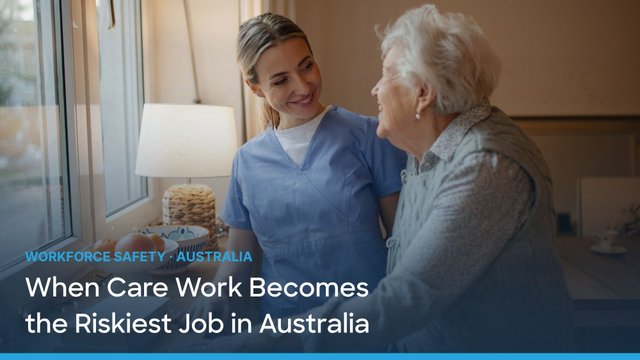
A lone worker is anyone who works by themselves or without close supervision, such as a community health worker, home care nurse, field technician, ranger, driver or security officer. Their main risk is delayed help: if something goes wrong, it can take a long time for anyone to find out.
Most safety systems assume someone is nearby to notice a problem. Lone and remote workers don't have that. Working alone for long periods in unpredictable environments can also add to stress, which links to the mental health findings above.
How can employers keep their lone workers safe?
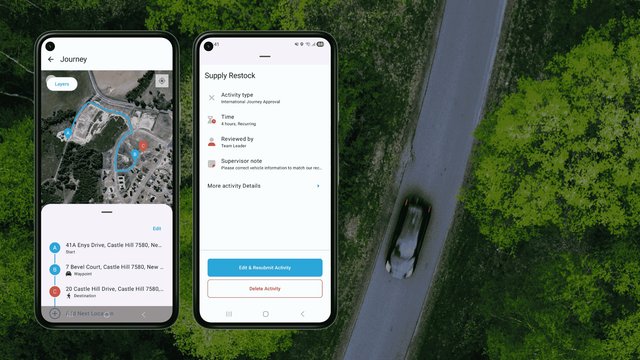
Employers can keep lone workers safe by using scheduled check-ins, automatic escalation when a check-in is missed, and journey monitoring. Together, these make sure someone always knows a worker's status and can act quickly.
This is what GetHomeSafe does. GetHomeSafe is a lone and remote worker safety platform that monitors and checks in on people working alone or in remote and high-risk situations, so the answer to "Are your people safe?" is never a guess.
The result is fewer unknowns, faster response, and people who feel looked after.

What can you do during safe work month?
Four practical steps for October: review your lone worker procedures, test your escalation process, talk to your field and remote teams, and check for coverage gaps.
- Review procedures. Do they reflect how your people actually work today?
- Test escalation. If a check-in was missed right now, who would find out, and how fast?
- Talk to your teams. Ask what concerns them, including the small things.
- Check coverage gaps. Where do your people work that your current tools don't reach?
Not sure where to start? Our free 2026 Remote Worker Safety Checklist walks through the common blind spots for lone and remote teams, and you can use it alongside these four steps.
Coming up this October
We'll be exploring each theme throughout the month:
- Week 2, for health: Q&A with Cat (Our Junior Account Executive and former Community Nurse): what community health work taught her about lone worker safety
- Week 3, for the future: Satellite-to-mobile safety for remote workers in 2026
- Week 4, for all: Best remote safety software for field teams in Australia
Frequently asked questions
National Safe Work Month runs from 1 to 31 October 2026.
The 2026 theme is "Safe work is for life", highlighting the long-term impact of workplace harm on workers, families and communities.
Safe Work Australia, the national body that develops work health and safety policy.
Yes. It applies to every workplace, and lone and remote workers benefit from the extra focus because they're less likely to have someone nearby if something goes wrong.
Lone worker monitoring is a system that checks on people working alone, usually through scheduled check-ins, location tracking and alerts that escalate if a worker doesn't respond.
Download Safe Work Australia's campaign kit, run a toolbox talk, review your risk register and lone worker procedures, and talk with your teams about safety.
Take the next step
Want to find the blind spots in your lone worker safety? Download the free 2026 Remote Worker Safety Checklist or book a demo and we can walk through how GetHomeSafe would work for your team.
Source: Safe Work Australia, Key Work Health and Safety Statistics Australia 2025. 2023-24 figures are preliminary. This article is general information only and isn't legal or compliance advice.
Related reading: What Is Lone Working? A Complete Guide | Missed Check-In for Healthcare Workers | Aged Care Workers in Australia
Updated 8th October 2026