Remote Worker Safety: How Do Rangers and Field Teams Get Home Safe?

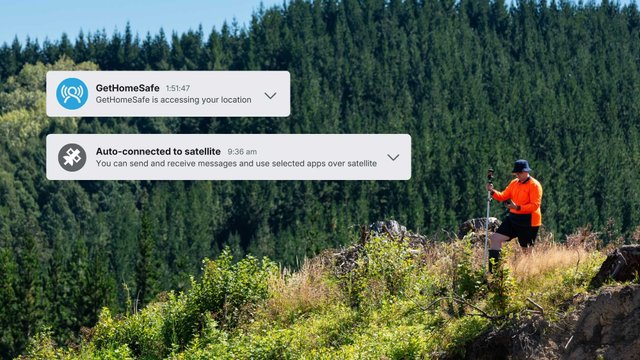
Quick answer: Remote worker safety comes down to never letting someone work truly "off the grid." Their trips are planned and tracked, they check in on a schedule, and if a check-in is missed the alarm is raised automatically, in minutes, not hours. Platforms like GetHomeSafe deliver this through automated lone worker monitoring: combining journey planning, real-time tracking, and satellite device integration (such as Garmin inReach) or satellite-to-mobile technology in one dashboard, so a supervisor always knows where their people are, even beyond mobile coverage.
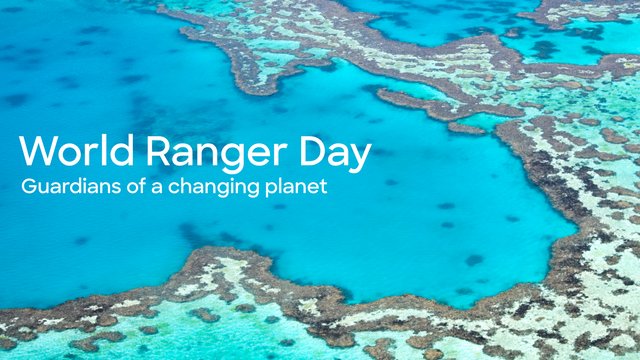
This Friday, 31 July, is World Ranger Day, and this year marks a milestone. It's the 20th anniversary of the International Ranger Federation's annual day to celebrate the people who protect the world's wild places, and to honour those killed or injured in the line of duty.
The 2026 theme is Rangers: Guardians of a Changing Planet, and it couldn't be more timely. Rangers today are working through escalating climate extremes, increasing human-wildlife conflict, organised wildlife crime, and rapid biodiversity loss. The environments they protect are getting harder to operate in, and the safety systems supporting them need to keep pace.
It's a day that matters personally to us. GetHomeSafe is trusted by over 2,500 rangers, who make up roughly 1 in 10 of everyone using the platform today. Marine parks, national parks and conservation authorities are some of the environments GetHomeSafe was built for, vast, remote, often out of coverage, and staffed by people doing genuinely demanding, occasionally dangerous work. World Ranger Day isn't just a date on the calendar for us; it's a reminder of exactly who we build this platform for.
Rangers are also a vivid example of a much larger group: lone and remote workers whose job takes them a long way from base, often alone, and frequently well beyond phone coverage. Community nurses, utilities crews, surveyors, mine-site contractors, marine and conservation staff, and not-for-profit field workers all share the same daily reality. So it's a good moment to ask a simple question: how do you actually keep remote and lone workers safe, and get them home at the end of the shift?
How the Great Barrier Reef Marine Park Authority keeps its people safe
The Great Barrier Reef Marine Park Authority, the Reef Authority, is the Australian Government agency responsible for protecting one of the most significant natural environments on Earth. Its staff regularly travel and work remotely across marine and island environments where mobile coverage is patchy at best. Like rangers everywhere, the challenge is straightforward to state and hard to solve: how do you support your people when they're a long way from help?
For the Reef Authority, GetHomeSafe underpins their internal Travel-Safe Procedure, the process that keeps supervisors connected to staff whether they're in the office or out in the field. Two capabilities do the heavy lifting. Journey management structures and tracks staff travel from planning through to safe arrival. And satellite integration via Garmin devices extends that same visibility into the areas cellular networks can't reach. As the Reef Authority puts it, GetHomeSafe is an effective tool that bridges cellular and satellite tracking technology onto one dashboard, a single live view of where everyone is, however remote.
"The Reef Authority is committed to the health and safety of our staff, whether in the office or in the field. We’re enhancing safety through better systems, processes and education. That’s why we’re supporting Get Home Safe—a tool designed to help our staff stay connected and safe."
— Great Barrier Reef Marine Park Authority
It's a fitting example of what World Ranger Day is really about: the systems and quiet, unglamorous processes that let people do demanding work in remote places and still make it home safely.
Want to see how teams like the Reef Authority keep their people safe? Book a demo today to see how it would work for your team →
Book a demo
Why is being a park ranger so risky?
Being a park worker is risky not because something is more likely to go wrong, but because when something does go wrong, nobody knows, and help is delayed.
A park worker's shift might start before dawn with a long drive on gravel, move through several remote sites, involve a boat trip or a walk-in with no signal, and finish long after the office has closed. If a vehicle rolls, a worker falls, or someone has a medical event out there, the danger isn't just the incident itself, it's the hours that can pass before anyone realises.
That gap, between "something happened" and "someone responded," is the core problem that keeping park workers safe needs to solve.
And the scale of that problem is growing. The IRF estimates there are approximately 286,000 rangers working globally today. To meet the world's 30×30 conservation targets, that number needs to grow to 1.5 million. If the ranger workforce is set to grow fivefold, the safety infrastructure supporting them has to scale with it, and the same is true for every sector that sends people into remote and isolated work.
How to keep park rangers safe and connected in remote wilderness?
You keep them safe by making their trip visible from start to finish, and by removing the reliance on a human to notice that something has gone wrong. In practice, effective remote worker safety monitoring comes down to three things working together:
- A plan someone signs off on. Before a worker heads out, their trip, route and expected timings are logged and approved, so a supervisor knows where they're going and when they're due. This is the heart of journey management: approving travel before the wheels turn, not filing a form in a glovebox.
- Automatic check-ins that escalate on their own. Anyone working alone checks in at set intervals. If a check-in is missed, the system alerts supervisors and emergency contacts automatically, with the worker's last known location, instead of waiting for someone to remember to look. That is what automated lone worker monitoring means in practice.
- A way to call for help instantly. Panic, duress and man-down alerts let a worker raise the alarm in a moment, discreetly, or automatically if they stop moving.
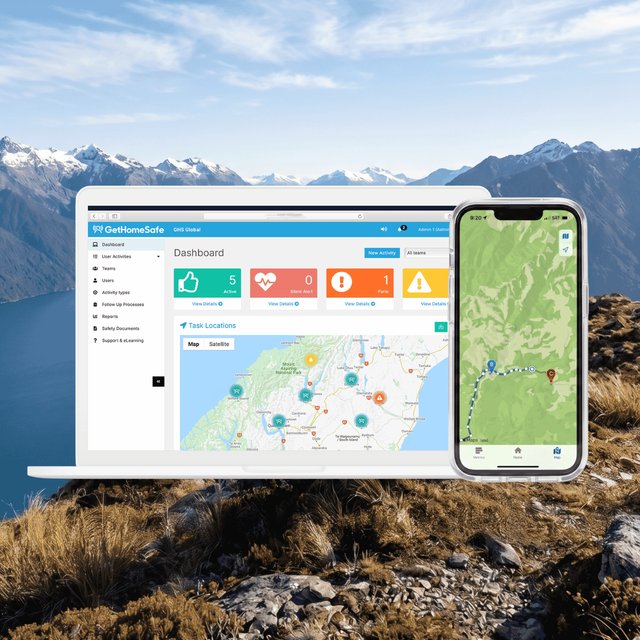
With GetHomeSafe, all of this runs in one place. Team leaders get real-time visibility of who's out, who's on track, and who's overdue, and the safety net keeps working whether the worker is in town or in the back country.
Learn more
What happens when there's no phone signal at all?
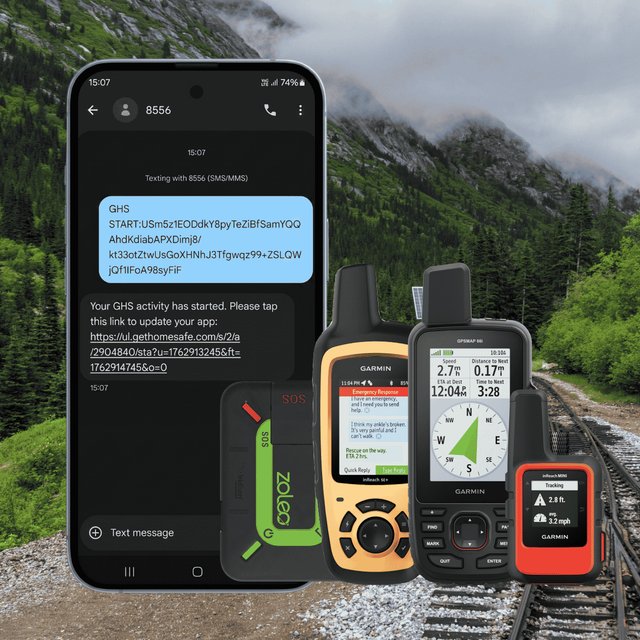
This is where a lot of "safety apps" quietly stop working, and where remote field workers need protection most. GetHomeSafe was built by remote workers for remote workers, so it keeps functioning beyond cellular coverage, either through a dedicated satellite device or, increasingly, through new satellite-to-mobile technology that works off an everyday smartphone.
On the device side, GetHomeSafe integrates with 20+ tracking, messaging and satellite devices, including Garmin inReach, which runs on the 100% global Iridium satellite network. A worker deep in the bush, out on the water, or on a remote island can send an "OK" check-in, update their plan, share their live location, or trigger an SOS straight from a satellite device, and it flows into the same dashboard their supervisor is already watching.
And with satellite-to-mobile now emerging, workers don't always need a separate device to stay covered. As mobile carriers roll out satellite-to-mobile services, GetHomeSafe users can relay safety messages and their location via satellite directly from their normal smartphone, extending the safety net to the whole team, not just the people carrying dedicated hardware.
Either way, the result is the same: no paired phone, no cell tower, no gap. For teams that spend real time in the dead zones, bringing cellular, satellite devices and satellite-to-mobile onto one screen is the difference between "we lost visibility of them at 2pm" and "we knew where they were the whole time."
Which other teams need remote worker safety?
Any team whose people travel for work or operate away from a fixed site does. The same approach that protects a marine or conservation worker protects a community nurse on after-hours home visits, a utilities crew on a rural fault, a surveyor in the backblocks, a resources contractor on site, or a not-for-profit worker in an isolated community.
If your team ticks any of these boxes, you have lone and remote workers to look after:
- They drive long distances, or between sites, alone.
- They visit locations solo, sometimes after hours.
- They work where mobile coverage is poor or non-existent.
- They'd struggle to raise the alarm quickly if something went wrong.
Not sure where your team stands? Run through our remote worker safety checklist to see how exposed your business really is.
If you'd like to see how this would work for your team, you can try GetHomeSafe free, no credit card required, about a minute to set up, or book a demo for teams of 10+ users. GetHomeSafe is trusted by hundreds of organisations around the world, and is an approved supplier to New Zealand government agencies.
Frequently asked question
Remote worker safety monitoring keeps continuous visibility of workers who operate away from a fixed base, through planned trips, scheduled check-ins, real-time location and automatic alerts if someone becomes overdue or triggers a duress alarm. It's designed so that if something goes wrong out of coverage, help is dispatched in minutes, not hours.
Through a combination of planned, tracked trips, scheduled check-ins that escalate automatically when missed, and satellite technology that keeps working beyond cellular range. GetHomeSafe integrates 20+ devices, including satellite communicators like Garmin inReach, so workers can check in and call for help even with no phone signal, and with new satellite-to-mobile technology, they can now send safety messages and their location via satellite straight from an everyday smartphone, no separate device required.
Journey management is a structured way of handling work-related travel: a trip is planned and risk-assessed before it starts, tracked while it's underway, and closed out when the worker arrives safely. Journey management software replaces paper forms and manual phone check-ins with one live, auditable process, you plan and approve a trip, monitor it in real time, and get an automatic alert if a worker becomes overdue. A good journey management system brings your app, GPS, vehicle tracking and satellite devices into a single dashboard, so a supervisor always knows where their people are. GetHomeSafe's journey management app does exactly this for remote and field teams, and works on both iPhone and Android, beyond mobile coverage as well as in it.
Yes. GetHomeSafe works on both iPhone (iOS) and Android, and the same account also connects to desktop, GPS devices, vehicle tracking and satellite communicators.
Most countries place a duty of care on employers to manage the risks to isolated and remote workers, including Australia (Safe Work Australia WHS laws), New Zealand, Canada, the UK and the US. No single law names a specific tool, but journey management and automated lone worker monitoring are among the most effective and defensible ways to meet that duty. Check the current guidance for your jurisdiction for specifics.
Government agencies (including the Great Barrier Reef Marine Park Authority), conservation and land-management teams, healthcare and community services, utilities, resources, transport and not-for-profits, any organisation with people travelling or working remotely.
This World Ranger Day, the 20th, our thanks go to every ranger and field worker who looks after the wild places the rest of us only get to visit. To the rangers we've lost: you are remembered. To those still out there: stay safe.
#WorldRangerDay2026 #IStandWithRangers #RangersGuardiansOfAChangingPlanet
Last updated: July 2026.