Behind the Product: A Q&A with David Taing on What's New at GetHomeSafe


It's been a big few months for the GetHomeSafe platform, new features, quiet quality-of-life wins, and plenty more on the way. So instead of the usual product update roundup, we sat down with David Taing, our Product Owner, to talk through what's shipped, what's coming, and how it all actually gets built.
Meet David
For anyone who hasn't met you yet, what's your role at GetHomeSafe, and what does a normal week look like for you?
I'm a Product Owner at GetHomeSafe, I bridge the gap between our users and our development team. A typical week tends to consist of prioritising sprint tasks, performing hands-on QA testing for in-development features, and most importantly, connecting with partners and customers to gather the insights that shape our future roadmap.
It feels like there's been more shipped in the last few months than usual. What's been driving that pace?
When I plan out our development sprints, I try to structure them to balance complex, larger-scale projects with smaller "quick wins", this approach helps to minimise the downtime between releases. On top of that, we have an incredible and highly capable development team, which helps sprints stay on track.
What's new
If you had to pick one recent release you're most proud of, what would it be and why?
I'm particularly proud of the complete redesign and relaunch of our mass messaging feature. The approach to this project was highly collaborative between myself and the development team, working through multiple design iterations to get it just right. The result is a robust, intuitive tool that organisations will be able to leverage alongside our journey management system going forward.
Which recent feature have customers reacted to most strongly, and what have they said?
The introduction of our new Partner Admin role has generated a fantastic response. For partners managing multiple enterprises and accounts, it's been a genuine game changer. By eliminating the need to juggle multiple logins and streamlining centralised account management, we've saved our admins a significant amount of time and friction.
Any smaller, "quiet" updates that don't get as much noise but actually make a big difference day-to-day?
Because we ship frequently, some smaller quality-of-life updates can occasionally get overshadowed by major releases. I always encourage admins to periodically review their organisation's feature settings page, we regularly slip in minor workflow improvements and new feature toggles that can make daily operations much smoother.
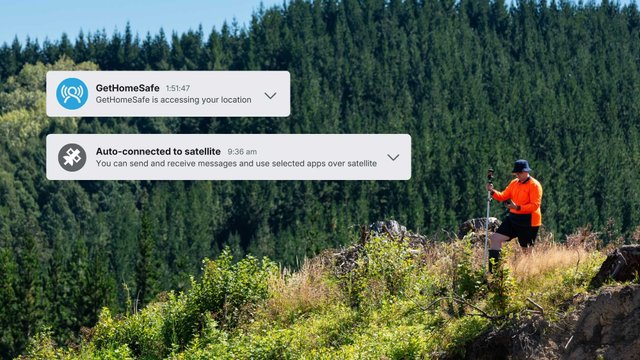
Satellite-to-mobile has been a big focus lately — what's actually changed for customers since launch, and what's still evolving?
The biggest shift is hardware accessibility. Network providers are rapidly expanding the range of mobile devices that support satellite-to-mobile functionality. The technology is evolving so quickly that users with slightly older models might suddenly find themselves supported. We highly recommend customers regularly check the official documentation from their phone providers, as the barrier to entry for true off-grid connectivity is dropping quickly.
Where ideas come from
Where do most of your new feature ideas actually come from, customer requests, support tickets, something else?
The vast majority of our roadmap is driven directly by customer feedback. Whether it's an existing partner or a new client in a trial phase, their real-world challenges spark our best ideas. We take the time to deeply understand their specific operational pain points, and then we ask ourselves: how can we solve this in a way that scales and benefits our entire user base?
What's next
Without giving away too much, what's the next big thing on the roadmap?
We're actively working on a project to extend the use case and functionality of our risk assessments to other areas and features in our app. Firstly, we're looking at a new concept of Site Risk Assessment. This will allow organisations to configure specific risk forms that automatically trigger when a user signs into a site during an activity, bridging the gap between location tracking and proactive hazard management.
How a feature actually gets built
What does the journey from "customer idea" to "live feature" actually look like at GetHomeSafe?
Once an idea is validated, it enters our scoping phase where we map out technical requirements and design mock-ups. From there, it's broken down into actionable tickets to be prioritised into our monthly sprints. Our engineering team builds it, it goes through rigorous internal QA testing, and finally, it gets deployed.
Final thoughts
What do you find most satisfying about your job in the safety-tech space specifically?
The most satisfying moments for me are when a customer presents a unique operational hurdle that our platform doesn't currently cover, and we're able to engineer a tailored solution. Knowing that the features we build directly contribute to keeping people safe in the field, and giving their teams peace of mind, is incredibly rewarding.
Anything you want to say directly to customers who've been asking "when's X coming"?
Firstly, thank you for your passion and for being so invested in the product! If a highly requested feature is taking time, it's because we want to ensure it integrates seamlessly and securely with our existing architecture.
If there's a particular feature your teams are waiting for, keep the feedback coming, your requests dictate our priorities, even if it takes a little time to get it perfectly right.
Want to see these features in action? Get in touch or book a demo to find out how GetHomeSafe can work for your team.
Last updated: 29th September 2026